
"Venezuelan coffee flavors"
400 article(s) found

The characteristics of Venezuelan coffee
Venezuela introduced coffee trees from Martinique as early as 1730, but coffee production was almost abandoned at the height of the oil industry. Recently, coffee plantations have begun to recover, with original Tipica and bourbon coffee trees and new plantations laying the foundation for coffee exports.

Smooth and sweet Venezuelan coffee beans
The best coffee names in Venezuela are: Montebello in San Cristobal (San Cristbal de Tachira) in Tazira, Miramar in Rubio (Rubio de Tachira) in Tazira, Granija in Timothe (Timote de Merida) in Merida, and Santa Ana in Tacira (San)

Venezuelan coffee features San Cristobal producing area
One of the many plantations in Merida at the foot of the Andes belongs to the Pablo and Pulido families, an ancient farm that has been allowed to downsize. Since taking over the farm in the early 1980s, the Pulido family has harvested coffee from existing bourbon coffee trees and planted new tree species to expand farming.

Flavor of coffee growing manor in Venezuela San Cristobal area
The coffee industry in Venezuela has been shrinking in recent years. The government encourages coffee cultivation by introducing new varieties and providing loans to farmers. Venezuelan coffee production accounted for more than 7% of global coffee production in the 19th century, but since the discovery of oil in the early 20th century, the coffee industry has been in decline. At present, Venezuelan coffee production accounts for less than 1% of the world's output.

Introduction to the special taste of Venezuelan coffee with different tastes
One of the many plantations in Merida at the foot of the Andes belongs to the Pablo and Pulido families, an ancient farm that has been allowed to downsize. Since taking over the farm in the early 1980s, the Pulido family has harvested coffee from existing bourbon coffee trees and planted new tree species to expand farming.

The special taste of Venezuelan coffee introduces the producing area of San Cristobal.
One of the many plantations in Merida at the foot of the Andes belongs to the Pablo and Pulido families, an ancient farm that has been allowed to downsize. Since taking over the farm in the early 1980s, the Pulido family has harvested coffee from existing bourbon coffee trees and planted new tree species to expand farming.

The taste of Hawaiian coffee beans, the only coffee producing state in the United States.
Venezuelan coffee tastes different from other coffee in Latin America. It is delicious, light and less sour than traditional coffee, which makes it not only blended but also distinctive. Venezuelan coffee beans taste smooth and sweet. Compared with other coffee in Latin America, Venezuelan coffee is lighter, full-grained, sour, sweet and deep. Venezuela

Basic knowledge of boutique coffee Venezuelan coffee
Venezuela introduced coffee trees from Martinique as early as 1730, but coffee production was almost abandoned at the height of the oil industry. Recently, coffee plantations have begun to recover, with original Tipica and bourbon coffee trees and new plantations laying the foundation for coffee exports.
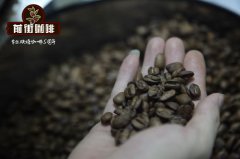
The flavor characteristics of Venezuela Venezuelan coffee beans introduce the historical changes of Venezuelan coffee cultivation
Professional coffee knowledge exchange more coffee bean information please pay attention to the coffee workshop (Wechat official account cafe_style) Coffee (Venezuela) Coffee production is not high, most of them are supplied to domestic consumption. Although geographically, Venezuela is mainly produced in the west near Colombia, but its sour taste is very weak, which is not like

Venezuelan Coffee producing Andes Coffee Plantation
One of the many plantations in Merida at the foot of the Andes belongs to the Pablo and Pulido families, an ancient farm that has been allowed to downsize. Since taking over the farm in the early 1980s, the Pulido family has harvested coffee from existing bourbon coffee trees and planted new tree species to expand farming.

Introduction of multi-purpose Venezuelan coffee roasted to depth
One of the many plantations in Merida at the foot of the Andes belongs to the Pablo and Pulido families, an ancient farm that has been allowed to downsize. Since taking over the farm in the early 1980s, the Pulido family has harvested coffee from existing bourbon coffee trees and planted new tree species to expand farming.

Trade oil for coffee? Flavor and taste characteristics of Venezuelan coffee.
More information on coffee beans Please follow the Coffee Workshop (official Wechat account cafe_style) Coffee trees were introduced from Martinique in Venezuela in 1730, but at the height of the oil industry, coffee production was almost abandoned. Fortunately, coffee cultivation has begun to recover recently, and the original Typica and Borubon coffee plantations have laid the foundation for coffee exports.

Smooth and sweet Venezuelan coffee beans introduce boutique coffee
One of the many plantations in Merida at the foot of the Andes belongs to the Pablo and Pulido families, an ancient farm that has been allowed to downsize. Since taking over the farm in the early 1980s, the Pulido family has harvested coffee from existing bourbon coffee trees and planted new tree species.

Description of taste and flavor of Venezuelan coffee beans
Following Cafe (official Wechat account vdailycom) found that for nearly a century, Venezuelan coffee has been completely overshadowed by oil for nearly a century. At the beginning of the last century, Venezuela's main export is coffee, coffee exports have long occupied the top three in the world. Since the commercial exploitation of oil, black gold has completely covered up the limelight of coffee. When

What is the best coffee in Venezuela? How do you make Venezuelan caf é guayoyo coffee?
More information about coffee beans Please follow the Coffee Workshop (official Wechat account cafe_style) although Venezuela introduced coffee trees from Martinique in 1730, but at the height of the oil industry, coffee production was almost abandoned. Fortunately, coffee cultivation has begun to recover recently, and the original Typica and Borubon coffee plantations are coffee.

How's the coffee made in Venezuela?
Follow Kaiping (Wechat official account vdailycom) found that the beautiful cafe opened a small shop of its own (Venezuela) Venezuela's coffee production is not high, most of the supply for domestic consumption. Although Venezuelan coffee is mainly produced in the west near Colombia, its sour taste is very weak, not like Colombian beans at all, but more like Caribbean beans.

Venezuelan coffee flavor producing areas introduce boutique coffee San Cristobal
The coffee produced in Venezuela is different from other coffee in Latin America. It tastes delicious, sour and has delicious fruit. This kind of coffee is most suitable for medium to deep roasting, which can not only be mixed but also has its own characteristics. Most of the country's coffee is exported to Russia, Colombia and other places, and some small plantations export coffee on their own. Among the many industries, Venezuela's

Medium to deep roasted Venezuelan coffee beans are the most suitable.
The coffee produced is different from other coffee in Latin America. It tastes delicious, sour and has delicious fruit. This kind of coffee is most suitable for medium to deep roasting, which can not only be mixed but also has its own characteristics. Most of the country's coffee is exported to Russia, Colombia and other places, and some small plantations export coffee on their own. In many industries, Venezuelan coffee species

Introduction to Venezuelan coffee with a mellow taste and moderately bright sour taste
Minnesota coffee beans (Caribbean) Dominica coffee is grown in highlands and lowlands, and the taste is also slightly different. The upland is sour, but the taste is rich; the lowland is less sour and tastes smoother. Boutique coffee is popular in recent years. The high-quality coffee beans produced by some Dominican estates have rich aroma, mellow taste, moderately bright sour taste and negative taste.

Boutique Venezuelan coffee beans introduce San Cristobal production area
The coffee produced in Venezuela is different from other coffee in Latin America. It tastes delicious, sour and has delicious fruit. This kind of coffee is most suitable for medium to deep roasting, which can not only be mixed but also has its own characteristics. Most of the country's coffee is exported to Russia, Colombia and other places, and some small plantations export coffee on their own. In many industries, Venezuela